Understanding autism social skills groups
When your child is first diagnosed with autism, social interaction is often one of the biggest worries you carry. Autism social skills groups are designed to give your child a safe, structured place to practice connecting with others, while you gain tools to support that growth at home and in the community.
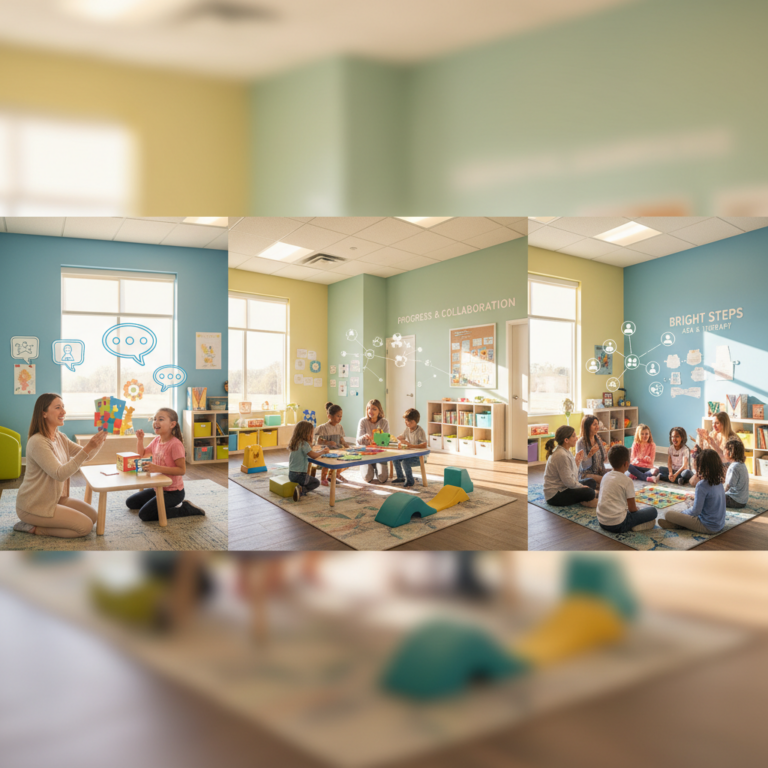
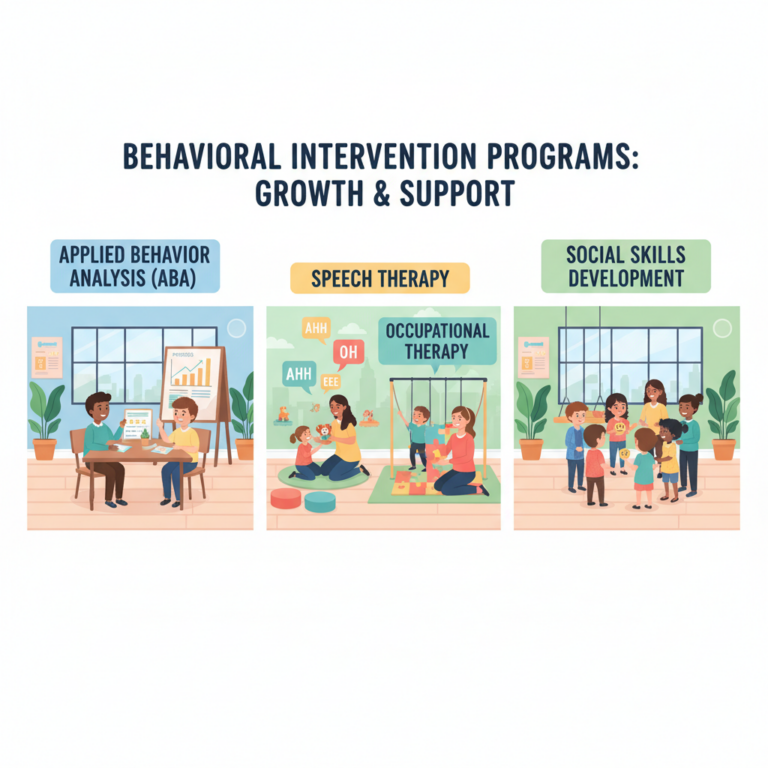
In these groups, children and teens work on skills like conversation, play, emotional understanding, and problem solving with peers who share similar experiences. Many programs are grounded in Applied Behavior Analysis (ABA), speech and language therapy, and occupational therapy principles so that social learning is clear, predictable, and supported at every step [1].
Social skills groups are one part of a larger network of supports that may include autism behavior therapy services, speech therapy autism center services, and occupational therapy autism. Together, these interventions help your child build both communication and confidence.
What happens in social skills groups
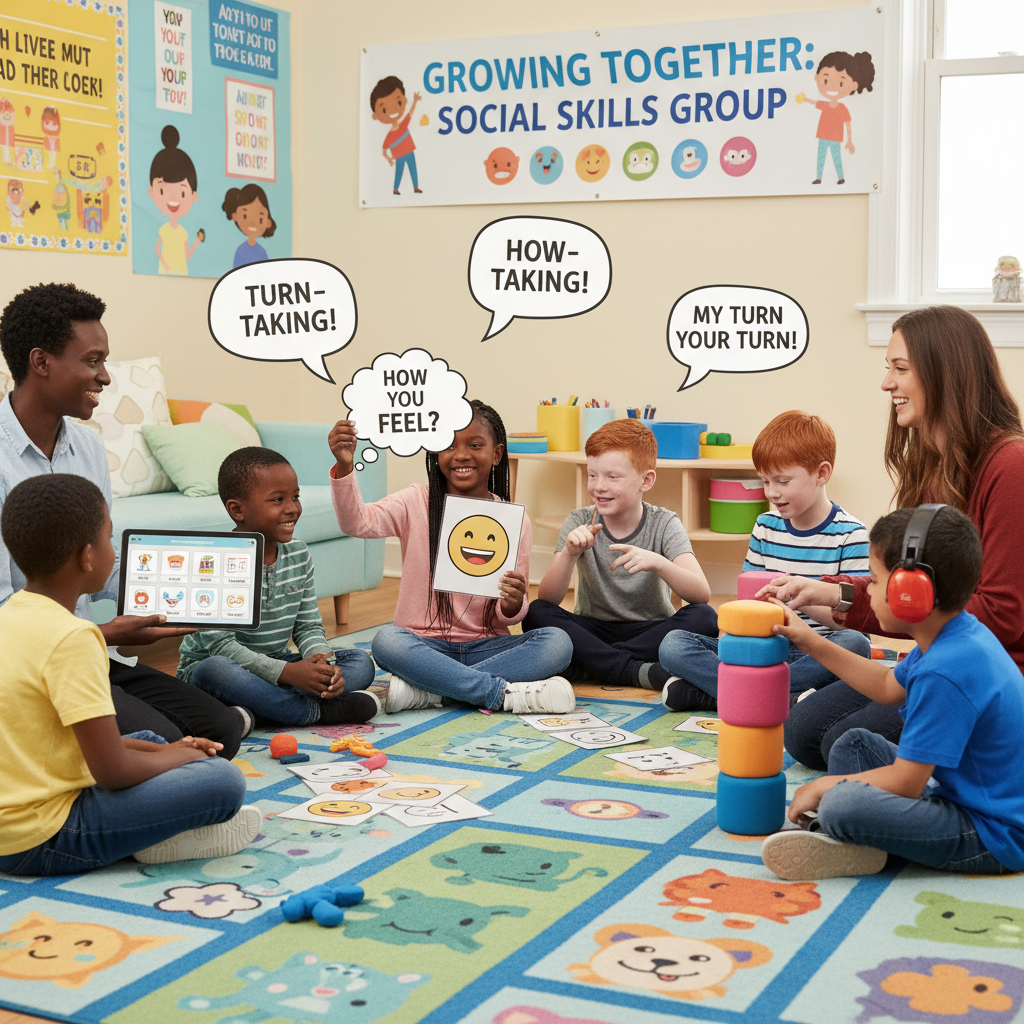
Although every program has its own structure, most autism social skills groups share a few common elements: explicit teaching, supported practice, and real‑world application.
Core skills your child practices
Many groups target a predictable set of skills that tend to be challenging in everyday life. These can include [2]:
- Nonverbal communication, such as eye contact, body language, and joint attention
- Conversation basics, including greetings, turn taking, asking and answering questions, and staying on topic
- Perspective taking and empathy, noticing how others might feel or think in a situation
- Play and friendship skills, like joining group play, sharing toys, and taking turns in games
- Conflict resolution and social problem solving, for example what to do if someone says “no”, or if there is a disagreement
- Emotion recognition and regulation, naming feelings and using strategies to stay calm
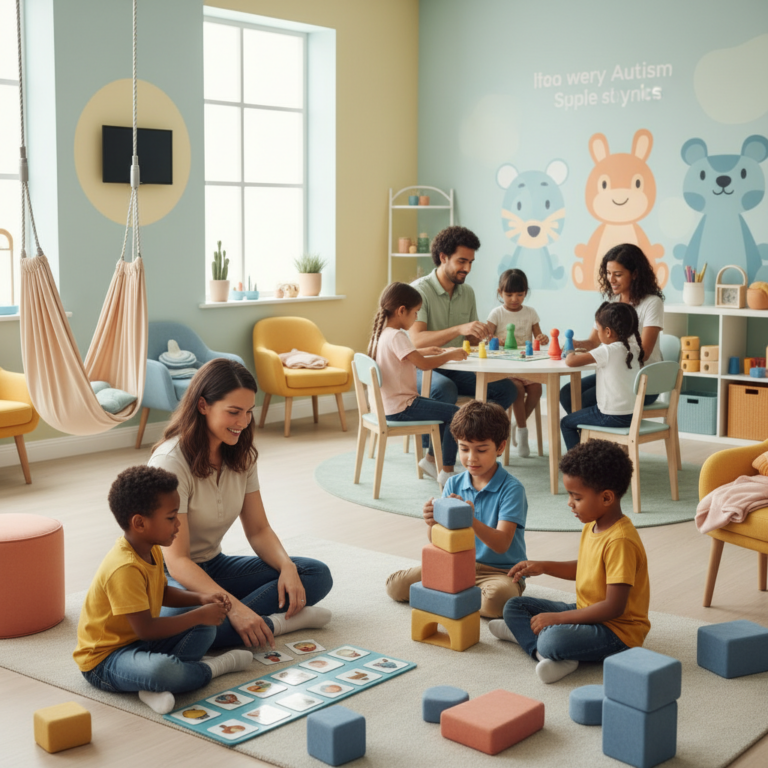
Programs such as Autism Spectrum Therapies’ social skills groups use games, role playing, and group activities to help children understand tone of voice, follow group instructions, and navigate friendships in ways that feel manageable instead of overwhelming [3].
Evidence based teaching techniques
Most high quality autism social skills groups combine several evidence based methods so that learning is broken down, supported, and then generalized to real life. You might see approaches such as:
- Role playing and rehearsal to practice specific scenarios, such as joining a game at recess [4]
- Video modeling that shows an example of a social interaction, followed by guided practice [1]
- Social stories that explain what to expect in common situations and what others might be thinking or feeling
- Discrete Trial Training (DTT) for step by step learning of targeted skills
- Natural Environment Teaching (NET) that uses natural play or group activities to practice skills in context [1]
- Positive reinforcement, where therapists notice and reward attempts at new skills to build confidence
In some programs, especially those anchored in ABA like an applied behavior analysis center, these methods are integrated with individualized goals and data collection so you can see how your child is progressing over time.
The positive impact on your child’s social growth
Research over the past decade shows that, when thoughtfully designed, autism social skills groups can improve how your child understands and manages social situations. The benefits extend beyond knowing what to say and do in a session. They also include growing self confidence, reduced isolation, and stronger relationships.
Gains in social understanding and behavior
A large review of 19 randomized controlled trials found that group based social skills interventions for autistic youth produced a medium positive effect on overall social competence [5]. Children reported especially strong gains in social knowledge, in other words understanding what is expected or helpful in social situations, even if it still takes time to consistently use those skills in the moment.
Another systematic review of 52 studies looking at social training for autistic people found that behavioral interventions which target multiple skills and run for longer durations show moderate to large effects on real world social functioning [6]. This review highlighted that:
- Face to face group interventions tend to produce stronger and more durable improvements than digital only programs
- Programs with more hours of intervention show greater transfer of skills into everyday life
- When multiple domains are addressed, such as emotion regulation, conversation, and problem solving, skills are more likely to generalize
In practical terms, this means your child is more likely to use what they learn in a social skills group when the program is consistent, relational, and practice is spread over many hours with real people.
Confidence, connection, and reduced isolation
Many autistic children and teens report feeling left out or unsure of how to join in. Social skills groups can offer a sense of community that is hard to find elsewhere. Programs like those at the Pathways Strategic Teaching Center show that participants often experience:
- Increased self confidence in social situations
- Reduced feelings of isolation and loneliness
- Improved ability to recognize social cues and maintain conversations
- Stronger ability to initiate and build friendships [4]
Parents in the Seaver NETT program at Mount Sinai noted that their children not only improved communication, but also learned to regulate emotions and understand both themselves and others better. Many families formed lasting connections with one another that continued beyond the group itself [7].
Long term benefits for school and work
The impact of effective social skills training can extend into later adolescence and adulthood. Participating in groups that focus on teamwork, collaboration, and customer service has helped autistic individuals build workplace readiness skills and increased their potential for career advancement [4].
When social programs are integrated with school based supports and behavioral intervention programs, your child is more likely to:
- Navigate group work and classroom expectations
- Build relationships with peers and teachers
- Advocate for their needs
- Transition more smoothly into higher education or employment settings
Supporting your child’s communication, not masking
As you explore autism social skills groups, it is important to understand that not all approaches share the same philosophy. Some older models focused heavily on training autistic children to look and act more “typical”, for example forcing eye contact or discouraging stimming. Current research and autistic led advocacy highlight valid concerns about this approach.
Double empathy and autistic communication
The Therapist Neurodiversity Collective points to research showing that autistic people communicate with each other as effectively as non autistic people do with each other [8]. Misunderstandings often arise between autistic and non autistic people because both sides view the world and social rules through different lenses. This is known as the “double empathy problem”.
From this perspective, your child does not have a social skills “deficit”. Instead, they have a different communication style. Helpful social skills groups recognize this difference, and aim to build mutual understanding and flexible strategies, instead of insisting that your child suppress their natural way of being.
The harms of masking focused training
Many autistic adults describe “masking”, or hiding autistic traits to fit in, as exhausting and harmful. The Therapist Neurodiversity Collective notes that teaching autistic children to constantly hide stimming or force eye contact is linked with:
- Extreme fatigue
- Anxiety, shame, and loss of identity
- Increased suicidal thoughts
- Delayed or missed diagnosis, especially in those who mask effectively [8]
When you evaluate autism social skills groups, you can ask how the program approaches masking. Look for language about supporting authentic communication, respecting sensory needs, and building two way understanding, instead of “fixing” or “normalizing” behaviors.
How social skills groups fit with ABA, speech, and OT
Social growth rarely happens in isolation. The strongest gains usually occur when autism social skills groups are coordinated with your child’s broader therapy supports, including ABA, speech and language therapy, and occupational therapy.
ABA and behavioral social skills programs
Many social skills groups are delivered within ABA based settings such as aba therapy for autism programs. In these contexts, therapists use behavioral principles to:
- Identify specific, meaningful social goals
- Break skills into manageable steps through task analysis
- Provide clear prompts and feedback
- Reinforce attempts and successes, so skills become more automatic
Longer and more intensive behavioral programs show moderate to large improvements in social functioning, especially when they involve multiple domains like cognition, behavior, and emotional regulation [6]. When you work with an autism behavioral intervention team, you can ask how social goals are woven into your child’s ongoing plan.
Speech and language therapy integration
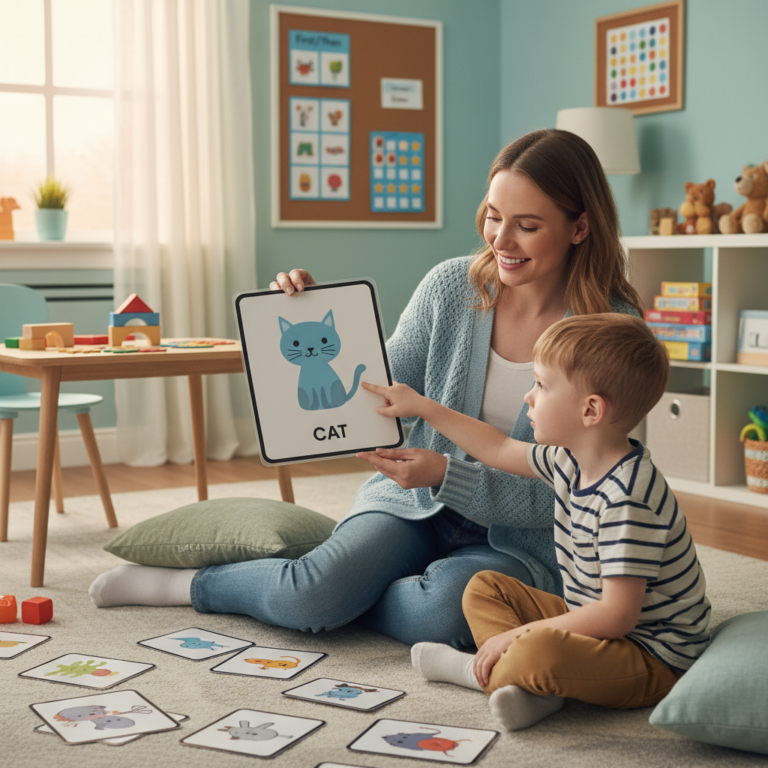
Speech language pathologists often play a central role in social communication groups. They may partner with an autism speech & language therapy program to target:
- Understanding and using nonliteral language such as idioms or sarcasm
- Narrating events, sharing stories, and staying on topic
- Repairing communication breakdowns
- Interpreting tone of voice and facial expressions
Programs like the Seaver NETT curriculum focus heavily on nonverbal communication, emotion recognition, and theory of mind, which refers to understanding that others can have thoughts and feelings that differ from your own. A randomized trial of NETT showed improvements in empathic responding and social relationships [7].
If your child already attends a speech therapy autism center, you can ask whether there are group options or how individual goals can align with a social skills group you are considering.
Occupational therapy and real world participation
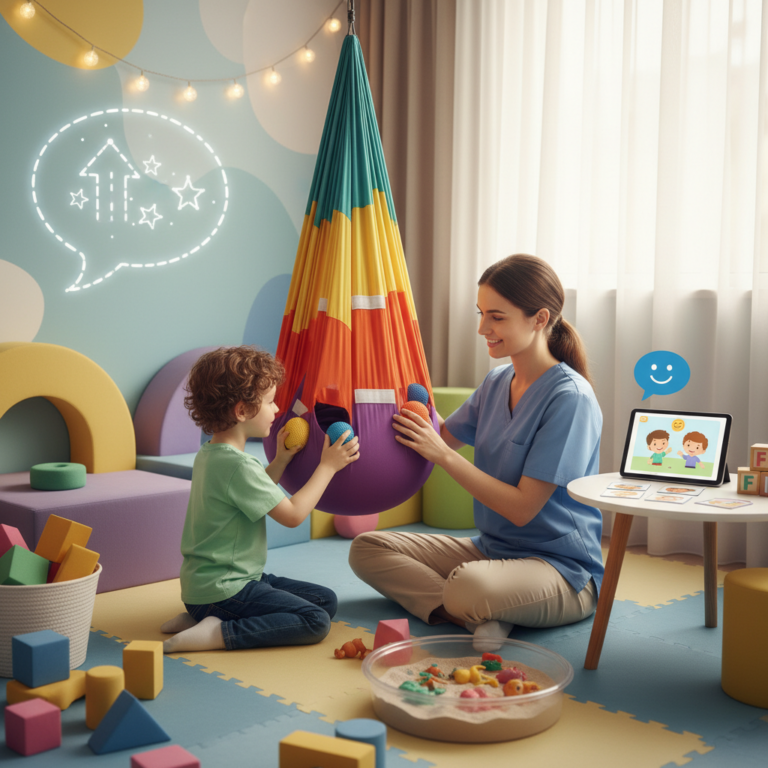
Occupational therapists bring a practical and sensory informed lens to social participation. Within an ot for children with autism program, social skills might be addressed through:
- Sensory regulation strategies so your child can stay engaged in group activities
- Motor planning support for playground games or sports
- Practicing daily routines like cafeteria meals, assemblies, or community outings
- Supporting handwriting or typing, which can be important for peer communication
When you combine integrated therapy autism services such as ABA, speech, OT, and social skills groups, your child has multiple, consistent opportunities to apply the same strategies across different environments.
The role of parents and caregivers
Your involvement is one of the most powerful factors in whether skills practiced in a group carry over into the rest of your child’s life. High quality programs build you into the process rather than treating you as a bystander.
Practicing skills at home and in the community
Research emphasizes that parents and caregivers help generalize social skills by:
- Setting up structured playtimes where your child can practice with siblings or friends
- Using visual supports and social stories before challenging situations
- Prompting and modeling emotional vocabulary in everyday moments
- Providing consistent, positive reinforcement when your child tries a new skill [1]
The Autism Project’s social groups in Rhode Island create individualized plans for each participant and track progress weekly. Families receive detailed progress reports they can bring to school IEP meetings, which helps coordinate home, school, and clinic goals [9].
If you enroll your child in a program such as social skills therapy autism, you can ask how often you will meet with clinicians, what you will receive in writing, and how they will coach you to support practice at home.
Parent groups and education
Some social skills programs, including Seaver NETT, run parallel groups for parents. While children practice conversation and reading social cues, parents meet to:
- Learn about the curriculum and weekly focus
- Share strategies that are working at home
- Ask questions about behavior, emotions, and communication
- Build relationships with other families [7]
You can also ask your providers about parent training in aba, which can give you a foundation in behavioral strategies that apply to social skills, daily routines, and emotional regulation.
When you are included as an active partner, social skills practice becomes part of daily life rather than something that only happens during one weekly group session.
Choosing a social skills group for your child
With many autism social skills groups available, it helps to know what to look for. You will want to consider your child’s age, communication level, sensory profile, and interests, as well as the program’s philosophy and structure.
Key questions to ask providers
As you explore options through an autism support therapy clinic or community organization, you can ask:
- How are children grouped, for example by age, language level, or interests
- What specific skills does the curriculum target
- Which evidence based methods are used, such as role playing, video modeling, or NETT style activities
- How do you ensure that goals respect my child’s neurodivergent identity and do not promote harmful masking
- How are parents involved and updated
- How do you track progress and adjust goals over time
- How does this group coordinate with my child’s other autism therapy programs
You can also ask about practical elements such as scheduling, transportation, and whether autism therapy insurance accepted applies to the program.
Matching intensity and format to your child
The research on transferability of social skills suggests that dose and format matter. Higher intensity programs, especially those with more than 50 hours of intervention and delivered face to face, tend to produce stronger gains that generalize to everyday life [6].
At the same time, your family’s schedule and your child’s tolerance for structured activities are crucial. You might start with:
- Weekly or twice weekly small groups, then
- Add school based services, and
- Use home practice strategies to increase total exposure
For younger children, combining groups with early intervention behavioral therapy can maximize the benefits of this sensitive developmental period.
Integrating social skills into a holistic therapy plan
A social skills group is most powerful when it is part of a coordinated plan tailored to your child. This usually begins with a careful assessment and leads to clear, realistic goals.
Starting with assessment and planning
Clinicians may begin with:
- A autism functional behavior assessment to understand why certain social behaviors occur
- Standardized social communication measures
- Observations in natural settings like school or playgrounds
- Input from you and your child about priorities and challenges
This information feeds into autism therapy plan development, where teams outline how ABA, speech, OT, and social groups will work together. For example, a goal around joining play might appear:
- In ABA sessions as discrete practice of “How to ask to join”
- In speech therapy as practicing the language of invitations and responses
- In OT as playground motor skills and sensory regulation
- In the social skills group as real time practice with peers
Building a sustainable support system
Over time, your child’s needs will change. A flexible network of therapy support for autism helps you adjust the focus as they move from early childhood to adolescence and young adulthood. You might:
- Shift from basic play skills to managing group projects or dating, as in programs like UCLA’s PEERS curriculum [10]
- Move from child focused therapy to more consultation and parent and school coaching
- Increase emphasis on self advocacy, identity, and mental health
If you work with a comprehensive provider of integrated therapy autism services, you can regularly revisit your child’s goals, decide if the current social group is still a good fit, and explore advanced or age specific groups when they are ready.
Moving forward with confidence
Autism social skills groups are not about changing who your child is. At their best, they are about giving your child tools to express themselves, understand others, and build the kinds of relationships that matter to them. The research base shows meaningful gains in social knowledge, improvements in functioning when programs are intensive and face to face, and powerful secondary benefits like confidence and reduced isolation.
By choosing programs that respect neurodiversity, involve you as a partner, and coordinate with ABA, speech, and OT supports, you can help your child grow socially in ways that feel authentic and sustainable. If you are ready to explore options, you might start by contacting an autism support therapy clinic or applied behavior analysis center near you and asking how their social skills offerings can be tailored to your child and family.