Understanding life planning autism services
Life planning autism services help you look beyond the next appointment or school year and create a clear path for adulthood. Rather than responding to one crisis at a time, you map out education, work, housing, social life, and legal protections in a coordinated way.
These services can support you if you are an autistic teen or adult, or if you are a family member planning for a loved one. They are especially helpful during big transitions, such as autism transition to adulthood, moving out, or starting work for the first time.
Life planning is not a single appointment. It is an ongoing process that typically includes:
- Clarifying strengths, interests, and priorities
- Setting short and long term goals
- Matching goals with services and funding
- Building skills in daily living, work, and social areas
- Reviewing and adjusting the plan as life changes
By approaching your life in this structured way, you reduce the risk of gaps in support and increase the chances of a stable, meaningful adult life.
Why long term planning matters
If you are still in school, much of your day is structured for you. When you graduate or age out of school services, this support can suddenly disappear. Researchers often call this the “transition cliff” because federally mandated special education services under IDEA end around ages 18 to 21, which can lead to a rapid loss of structure and increased risk of unemployment and isolation if you do not have a plan in place [1].
Life planning autism services help you prepare before you reach that cliff. Ideally, you start planning around age 14, then refine your goals and supports each year. This gives you time to:
- Explore career interests and training options
- Practice independent living skills at a realistic pace
- Understand adult service systems and eligibility rules
- Build self advocacy and decision making skills [1]
Without this preparation, you may find yourself leaving school with no clear next step. With preparation, you move into the next stage of life with a stronger sense of direction and a support team around you. If you are still earlier in your journey, adolescent autism support services can begin to lay this groundwork.
Core areas of life planning
Effective life planning covers all the key parts of adult life, not just one service or program. A useful framework includes five core domains that are often highlighted in transition planning for autistic young adults [1].
Education and continued learning
You may choose college, trade school, continuing education, or informal learning. Planning should:
- Identify the type of learning environment that fits you best
- Map out accommodations and disability services on campus
- Connect you with tutoring, coaching, or supported education services when needed
If you are in high school, autism high school transition services can help bridge the gap to postsecondary education or training.
Employment and vocational direction
Many autistic adults want to work, but the pathway to employment can be unclear. Good life planning autism services help you:
- Explore interests and strengths through assessments or hands on experiences
- Try internships, volunteering, or part time work
- Access an autism vocational training program or other job skills autism training
- Understand workplace supports and accommodations
Autism Speaks maintains networks focused on employment, such as the Autism Employment Network, and offers detailed tools for navigating adult services and work options [2].
Independent living and daily skills
Independent living looks different for each person. Some people live alone, others with family, roommates, or in supported housing. Effective planning helps you define what independence means for you and then build the skills to match that vision.
Life planning often connects you with:
- Autism independent living skills training
- An autism daily living skills program
- Autism independent living programs that provide supported housing or in home coaching
Autism Speaks offers a “Housing & Residential Supports Tool Kit” as well as guides like “Beginning the housing search: Questions to consider” and “Housing options and residential support options,” which can be valuable references when you are planning where and how you want to live [2].
Social life, recreation, and community
Social connections are a major part of quality of life. Life planning autism services look beyond therapy and work to also include:
- Autism social maturity training and adult social skills autism supports
- Autism recreation and social programs that match your interests
- Structured opportunities for community integration autism, such as clubs, classes, or volunteer roles
Milestones Autism Resources emphasizes that a wide range of therapies and supports can help you develop communication, daily living, and social skills without trying to make you appear neurotypical. Their guidance focuses on finding evidence based, neurodiversity affirming approaches and good therapist matches [3].
Health, behavior, and mental wellness
Lastly, planning needs to address ongoing healthcare, mental health, and behavioral support. This can include:
- Adult medical providers who understand autism
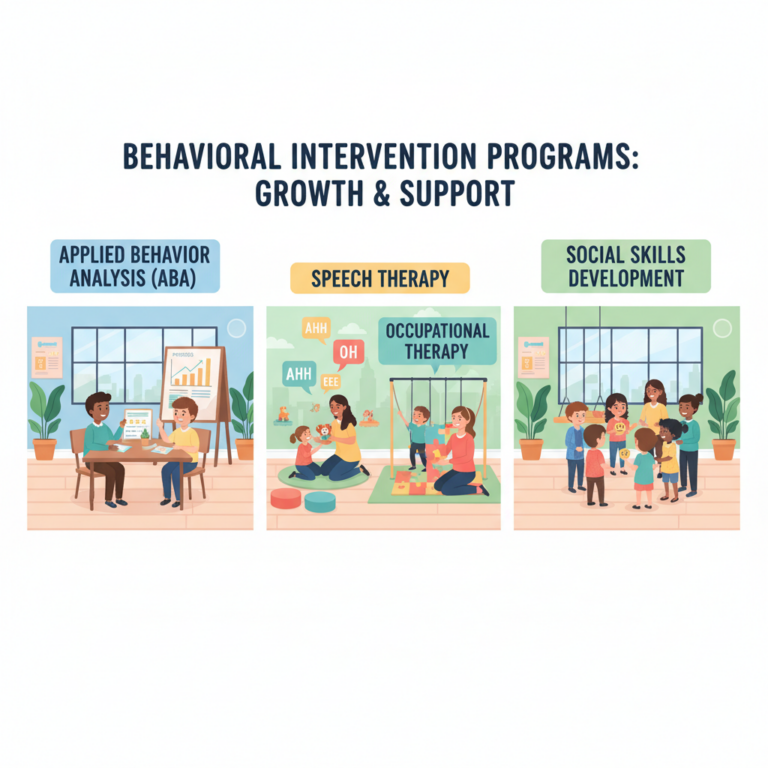
- Therapies such as Speech Language Therapy, Occupational Therapy, ABA, Play Therapy, TEACCH, Floortime, SCERTS, and social skills groups, depending on your goals and preferences [3]
- Behavioral support for teens with autism if you are still in adolescence
Milestones also cautions you to avoid unproven or potentially harmful interventions and to prioritize trauma informed, evidence based therapies that respect autistic identity [3].
Life skills and daily living supports
Strong life skills make every other goal more attainable. If you can manage your schedule, money, self care, and home tasks with increasing independence, you are better positioned to attend work, keep appointments, and live where you want to live.
You might build these skills through:
- An autism life skills training program
- A structured autism daily living skills program
- Coaching services linked to autism independent living programs
Skills often taught include:
- Personal care and hygiene routines
- Meal planning, grocery shopping, and basic cooking
- Using public transportation or ride services
- Time management, calendar use, and autism executive functioning training
- Basic money management, such as budgeting and bill paying
Early and ongoing practice is important. Milestones Autism Resources highlights the value of early intervention and continued support that is personalized to the individual and focused on helping them develop skills in a way that fits their needs and identity [3].
Vocational training and employment pathways
Work can provide income, structure, and a sense of purpose. However, access to suitable jobs and the right level of support is not always straightforward. Life planning autism services help you understand your options and build a step by step path to employment.
You might work with:
- An autism vocational training program that offers job exploration and hands on training
- Programs focused on job skills autism training such as interview practice, workplace communication, and task management
- State vocational rehabilitation agencies or supported employment services
Autism Speaks notes that approximately 1 in 45 adults in the United States may be autistic, which underscores the need for strong systems of support in areas like employment and housing [2]. Their Autism Employment Network and related tools can connect you to resources that match your goals and location.
When planning vocational steps, you may:
- Start with interests, for example technology, animals, art, or hands on work
- Try job shadowing or volunteering to test different environments
- Define your preferred schedule, sensory environment, and type of supervision
- Learn about disclosure and accommodation strategies if you choose to share your diagnosis
A good life plan combines these elements so you are not just searching for any job, but working toward roles that are sustainable for you.
Transition planning for teens and young adults
If you are a teen on the spectrum, or a parent of one, transition planning is one of the most important parts of life planning autism services. Legally, schools must include transition goals in your IEP by age 16, but experts recommend beginning around age 14 to allow enough time for exploration and preparation [1].
Key pieces of an effective transition planning autism process include:
- Person centered planning that focuses on the teen’s strengths, preferences, and values
- Specific goals for education, employment, independent living, social life, and health
- Clear responsibilities for school staff, service agencies, and family members
- A timeline that extends beyond graduation and into the first years of adulthood
You can also look at:
- Autism transition to adulthood resources that explain what changes at 18 or 21
- Autism transition services after school that provide structure once school ends
- Autism lifetime support programs that continue services across the lifespan
Meristem notes that eligibility for adult services often depends on documentation that your disability began before age 18 and is expected to continue indefinitely. In some states, Regional Centers coordinate adult autism services through an Individual Program Plan that can include vocational training, supported living, and other supports [1].
Adult autism services and lifelong supports
Planning does not stop at age 22. Many autistic adults benefit from ongoing supports that adjust as their goals and circumstances change. Adult autism services might include:
- Case management or care coordination
- Supported employment or job coaching
- In home support for daily living tasks
- Therapeutic services tailored for adults
- Social and community integration autism programs
Autism Speaks provides a wide range of resources for adults, including guidance on adult services, therapy options, employment, and housing. They also offer the Autism Response Team (ART), a personalized support service that can connect you and your family with information and tools to support life planning and adult services [2].
If you live in Ohio or nearby, Milestones Autism Resources offers a Helpdesk that connects autistic individuals and families with over 1,000 educational, therapeutic, medical, and recreational resources. They also highlight that adult services and therapy funding can be harder to access than child services, so it is wise to ask early about insurance coverage, state and local programs, and possible waitlists [3].
Lifelong planning does not mean constant change. It means checking in regularly so your supports continue to match who you are and what you want.
Legal and financial planning for the future
Life planning autism services are not complete without legal and financial safeguards. These tools help protect you or your loved one if something unexpected happens and ensure that support can continue.
Pathfinders for Autism highlights several key planning tools:
- A letter of intent that describes the person’s history, preferences, routines, and supports
- A will to specify how assets should be distributed and to nominate backup guardians for children under 18, so a judge does not make this decision without your input
- A special needs trust to hold assets for a person with a disability without affecting eligibility for SSI and Medicaid, since having more than $2,000 in countable resources can result in losing these benefits [4]
Because the rules are complex, Pathfinders strongly recommends working with legal and financial professionals who specialize in special needs planning. In Maryland, for example, the Developmental Disabilities Council offers a free guide, “Planning Now: A Futures and Estate Planning Guide for Families of Children and Adults with Developmental Disabilities,” which can be a helpful starting point [4].
Meristem also points out that when an autistic young adult turns 18, you need to consider legal decision making options. Traditional guardianship is not the only model. Supported Decision Making allows the individual to keep their legal rights while choosing trusted supporters to help them make informed decisions in areas like health care, finances, and housing [1].
Person centered planning and specialized tracks
Strong life planning keeps the autistic person at the center of every decision. Instead of starting with services that are available and trying to fit the individual into them, you start with the person’s vision for their life and then design supports around that.
Specialized tracks can make this easier by grouping related services, such as:
- A life skills and independent living track that blends autism life skills training, autism independent living skills, and coaching from autism independent living programs
- A vocational track that combines autism vocational training program supports with job skills autism training and ongoing job coaching
- A social and community track that connects adult social skills autism work with autism recreation and social programs and community integration autism opportunities
The Life Planning 101 guide by Eric Goll is one example of a structured approach. It outlines a free 7 step planning process designed specifically for families of people with developmental disabilities. The focus is on increasing support, building independence, helping the person create their own home, and enabling a life filled with friends and family [5].
Eric Goll has used this approach with his own sister, helping her move from living at home with heavy caregiving demands to living independently in her own apartment. This change allowed his mother to step back from daily caregiving and return to being “just mom” again. The same method has supported more than 700 families, many of whom report feeling more hopeful and excited about the future and more confident in their loved one’s potential for independence and growth [5].
The guide also presents an alternative to traditional group homes by showing how people with developmental disabilities can live in their own homes with carefully planned supports. Because the guide is offered for free, it can be an accessible starting point if you want a structured but flexible framework for your own planning [5].
Taking your next step
Life planning autism services are about unlocking potential, not imposing a single path. Whether you are just starting to think about the future or are already navigating adult systems, you can begin with a few practical steps:
- Clarify what a good life looks like to you or your loved one in the next 5 to 10 years.
- Identify which areas need the most attention right now, such as work, housing, or daily living skills.
- Explore focused supports like autism transition to adulthood, adult autism services, or autism lifetime support programs.
- Reach out to trusted resources such as Autism Speaks, Milestones Autism Resources, Pathfinders for Autism, or the Life Planning 101 guide by Empowering Ability for additional tools and examples.
With a clear plan, the right supports, and a person centered approach, you can create a future that reflects your strengths, respects your needs, and gives you room to grow over time.