Autism social maturity training is about much more than learning how to make small talk. It helps you build the life skills, relationship tools, and decision making abilities you need to move into adulthood with more confidence. Whether you are a teen starting to think about life after high school or an adult looking for stronger support, autism social maturity training can play a key role in your future.
Researchers describe social skills training as an evidence based practice that directly targets social and communication challenges that are central to autism [1]. When this training is combined with life skills, transition planning, and vocational support, it can help you move from “getting by” to actively shaping your own path.
Understanding autism social maturity training
Autism social maturity training focuses on how you understand, respond to, and participate in everyday social life. It goes beyond basic manners or “scripts” and helps you:
- Read social cues like facial expressions, tone of voice, and body language
- Decide what to say or do in different situations
- Handle conflict, feedback, and misunderstandings
- Build and maintain friendships, relationships, and work connections
Many autistic people do not automatically pick up social rules from observation. You often have to guess what the “social map” looks like instead of learning it naturally [2]. Social maturity training makes those invisible rules explicit and gives you time and structure to practice them.
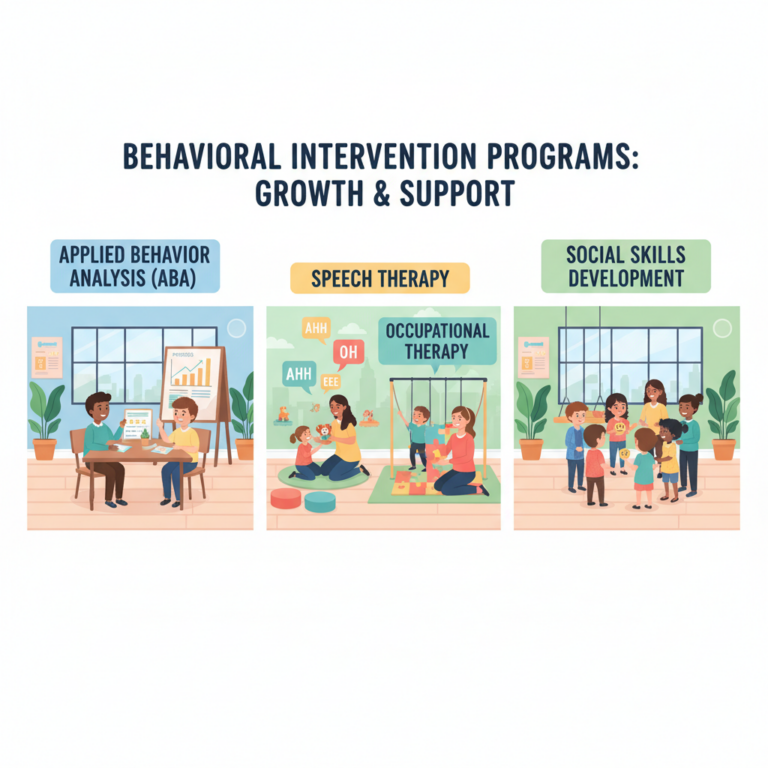
Programs can be offered in schools, clinics, community programs, or as part of specialized adolescent autism support services and adult autism services. They may be group based, one to one, or use technology such as interactive software and virtual reality.
Why social maturity matters for your future
When you think about your future, you might focus on grades, job skills, or where you will live. Social maturity quietly shapes all of those areas.
Social skills training has been shown to help people on the spectrum understand social cues, maintain eye contact, start and continue conversations, and participate more fully in friendships and community life [3]. These are the same skills you need to:
- Interview for jobs and keep them
- Work with coworkers and supervisors
- Live with roommates or a partner
- Navigate college or training programs
- Use public services and community resources
A large meta analysis of 14 face to face and 4 technology based social skills programs for youth with autism found medium to large improvements in social skills, with both formats working about equally well [4]. That means structured social maturity training is not just a nice idea. It can make measurable differences that carry into everyday life.
When you pair this kind of training with autism life skills training and autism transition to adulthood supports, you are building a foundation for independence that touches school, work, relationships, and community participation.
Core skills you build in social maturity training
Different programs use different tools, but most autism social maturity training targets several core areas that are directly connected to your future.
Reading and responding to social cues
You might already know that tone of voice, facial expressions, and body language are important, but recognizing and using them in real time can be difficult. Children and adults with autism often struggle with these cues, which can make conversations, friendships, and group activities much harder [3].
Training in this area can include:
- Identifying emotions in faces and voices
- Matching facial expressions to social situations
- Practicing eye contact and gaze in a way that feels manageable
- Noticing when someone wants to join or end a conversation
Some programs use computer software, videos, or virtual reality to teach emotion recognition and social interaction, such as the FaceSay and The Transporters programs [5]. These tools can feel safer and more predictable as you practice.
Conversations, friendships, and relationships
Effective autism social maturity training gives you concrete steps, not vague advice like “just be yourself.” Evidence based programs such as the 16 week PEERS course at UCLA break down friendship and dating skills into teachable parts, and research suggests these benefits can last into adulthood [6].
You might work on:
- Starting, joining, and ending conversations appropriately
- Finding shared interests and building on them
- Handling teasing, bullying, or rejection
- Setting and respecting personal boundaries
- Dating basics and relationship expectations, when relevant
Structured groups often use role play, social narratives, and personalized teaching stories to give you safe practice and feedback [3]. This kind of practice is important if you want lasting friendships or romantic relationships later in life.
Self awareness and emotional regulation
Social maturity is not only about how you talk to others. It is also about how well you understand yourself.
Many autism focused programs add:
- Identifying your own emotions and stress signals
- Using coping skills when you feel overloaded
- Practicing the “6 second rule,” which gives you a pause to process and regulate before reacting [3]
- Building self advocacy skills so you can explain your needs
These abilities help you handle conflict at school or work, stay safer in the community, and speak up when you need accommodations or support.
How social maturity connects to life and job skills
If you are planning for adulthood, you are probably hearing about daily living skills, independent living, and job training. Social maturity training is closely connected to all of these areas.
Daily living and independent living
Living more independently is not only about cooking or laundry. You also need social understanding to:
- Talk with landlords, neighbors, or roommates
- Ask for help with transportation or repairs
- Work with support staff in autism independent living programs
- Join activities in autism recreation and social programs
Personalized teaching stories and visual supports, such as simple picture based guides, can help you understand social expectations in everyday situations, from riding the bus to checking out at the store [2]. These same tools are often used in an autism daily living skills program or autism independent living skills training.
Vocational skills and workplace behavior
Technical skills are only part of what employers look for. Social and communication skills strongly influence whether you can get and keep a job.
Autism social maturity training often overlaps with:
- Following instructions and asking clarifying questions
- Understanding workplace hierarchies and roles
- Handling feedback from supervisors
- Working in teams or on group projects
- Managing small talk and breaks with coworkers
Some programs combine social maturity training with a dedicated autism vocational training program or job skills autism training. This integration allows you to practice job interviews, on the job communication, and problem solving in settings that mirror real workplaces.
A recent review of 52 studies found that behavioral interventions with higher intensity and longer duration showed better transfer of skills into real world situations [7]. When your social training is built into vocational or community activities, you are more likely to use those skills on the job.
Community integration and safety
Feeling connected to your community can increase your quality of life. Social maturity training can support your participation in:
- Clubs, interest groups, or faith communities
- Volunteer roles and civic activities
- Social events offered through community integration autism programs
Evidence shows that group based social skills training combined with real life practice with peers can be especially effective for community participation [2]. This kind of practice also supports safety, since you learn to recognize risky situations, set boundaries, and ask for help.
Types of social maturity training you might use
There is no single “right” format for autism social maturity training. Several approaches have research support, and you may benefit from a mix of them over time.
Face to face groups and clinics
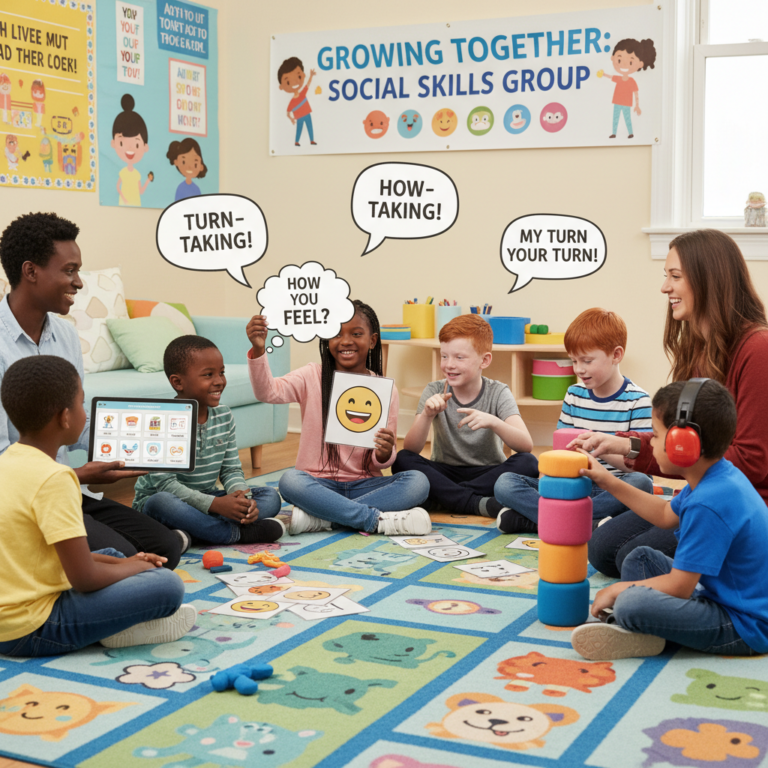
Traditional social skills groups are typically led by special education teachers, speech pathologists, or clinicians. They offer structured teaching along with peer practice [2]. Group based programs like PEERS and KONTAKT have shown significant improvements in social abilities that last at least 3 to 4 months after treatment ends [4].
These groups often include:
- Weekly lessons on specific skills
- Role playing and feedback
- Homework to practice skills in real settings
- Parent or caregiver training to support you at home
Face to face approaches seem especially effective for children and younger teens, where transfer of skills to everyday life is often stronger [7]. They can also work well when combined with behavioral support for teens with autism.
Technology based and hybrid options
Not everyone can easily access in person programs. Transportation, cost, and the need for trained clinicians can create real barriers, especially for families with fewer resources [4]. Behavioral Intervention Technologies, such as interactive computer programs, avatar based practice, and therapeutic robots, offer additional options.
A 2021 meta analysis found that technology based social skills training produced social gains similar to face to face programs for youth with autism [4]. Digital tools may be especially useful for adolescents and adults, where some studies show higher transfer of skills compared with strictly in person methods [7].
You might encounter:
- Video modeling and video feedback
- Virtual reality environments for practicing conversations
- Computer games that teach emotion recognition
- Apps for planning social interactions or using scripts
These tools can also be integrated into autism transition services after school and autism high school transition services so you can practice between sessions.
Story based and rule based approaches
Some methods focus on building your understanding of social rules and expectations in a clear, concrete way. These include:
- Social Stories and Comic Strip Conversations, which use personal stories and drawings to explain situations [5]
- Hidden Curriculum teaching, which makes unspoken social rules explicit
- Social scripts that give you specific phrases for starting or managing interactions
Multiple exemplar training, where you practice a rule in many different examples, can help you apply learned social rules in new situations after only a few sessions [3]. This is important if you tend to use skills only in the exact way they were taught.
These approaches are often woven into autism executive functioning training and autism life skills training, since social rules and planning skills frequently overlap.
Many people on the spectrum benefit most when social training is not a single class, but an ongoing thread that runs through school, home, work, and community activities.
Planning your transition with social maturity in mind
If you are approaching a major change, such as leaving high school, starting college, or moving out of your family home, it helps to include social maturity goals in your transition planning autism process.
Connecting with adolescent and young adult supports
During middle and high school, you can look for:
- Social skills groups built into special education services
- After school programs that blend recreation with social training
- Community or clinical programs listed under adolescent autism support services
Early intensive behavioral interventions, such as ABA, can help younger children value social interaction and develop joint attention and eye gaze, which then supports more advanced social training later [5]. If you did not have those early supports, it is still possible to build social maturity in adolescence and adulthood, although it may take more deliberate practice.
Integrating social goals into life and career planning
As you work with your team on autism transition to adulthood or broader life planning autism services, you can:
- Identify which social skills will matter most in your next setting, such as a particular workplace or college program
- Choose autism vocational training program options that include interview practice and workplace communication
- Combine autism daily living skills program work with practice talking to landlords, roommates, or service providers
A systematic review using the FIELD model found that transfer of training depends on factors such as age, autism severity, intervention intensity, and the setting where training occurs [7]. You are more likely to use new skills in real life when they are taught in realistic contexts with enough time and repetition.
Specialized tracks and lifetime supports
Social maturity keeps developing across your life. You do not have to learn everything at once.
Adult focused social skills and community programs
As an adult, you can look for adult social skills autism programs that match your current goals. Some emphasize workplace skills, dating and relationships, or community engagement. Others focus on emotional regulation and mental health.
You may also benefit from:
- Community integration autism services that connect you with clubs, volunteering, or supported employment
- Autism independent living programs that blend social training with housing and daily living support
- Autism recreation and social programs that offer structured social time around shared interests
Because social expectations change as you move from teen to adult roles, it is helpful to think about social maturity as part of long term autism lifetime support programs instead of a one time course.
Matching supports to your strengths and needs
The right type and intensity of social maturity training depends on:
- Your age and developmental stage
- Whether your autism symptoms are mild, moderate, or more intensive
- Your cognitive profile and language abilities
- Your personal goals for work, living, and relationships
Research suggests that younger individuals often show stronger transfer of social training into daily life, while adolescents and adults sometimes benefit more from digital or hybrid interventions [7]. People with milder forms of autism may see larger generalization effects, but with enough support and practice, individuals across the spectrum can still make meaningful gains.
You can work with your team to select a mix of:
- Group based training for peer practice
- One to one coaching for complex or sensitive topics
- Technology supported tools you can use at home
- Integrated supports within work, school, or housing programs
This kind of tailored plan allows social maturity training to support your specific path, whether that is further education, competitive employment, supported work, or community based activities.
Taking your next step
Autism social maturity training is not about changing who you are. It is about giving you clearer information, stronger tools, and more choice in how you navigate the world.
When you connect social training with transition planning autism, autism transition services after school, and targeted adult autism services, you create a support system that can follow you through major life changes. As you explore options like job skills autism training, autism independent living skills, and life planning autism services, consider which social skills will help you feel more confident and capable in each new setting.
You deserve supports that recognize your strengths, respect your communication style, and prepare you for the adult life you want. Social maturity training can be one of the most powerful parts of that journey.