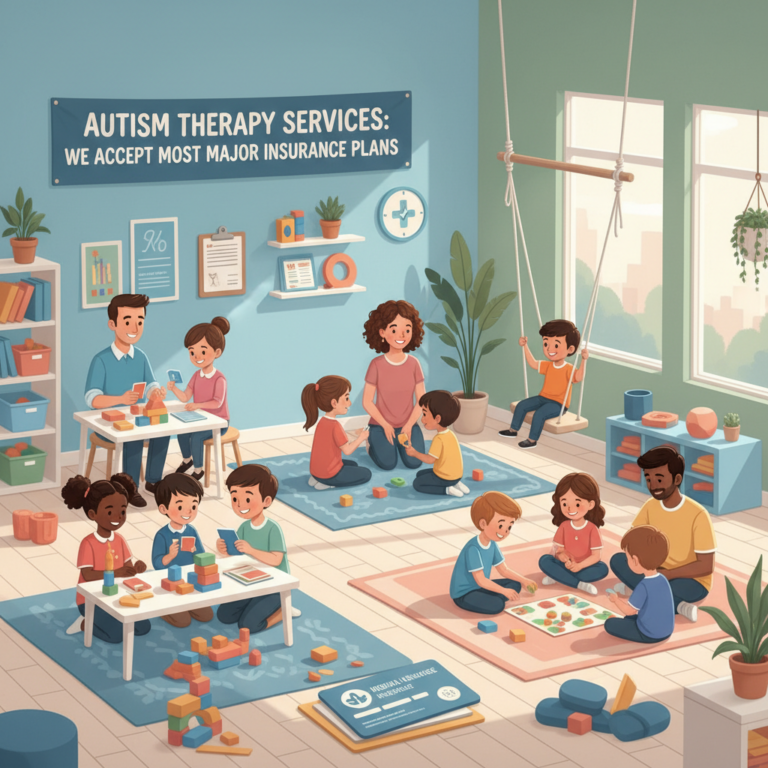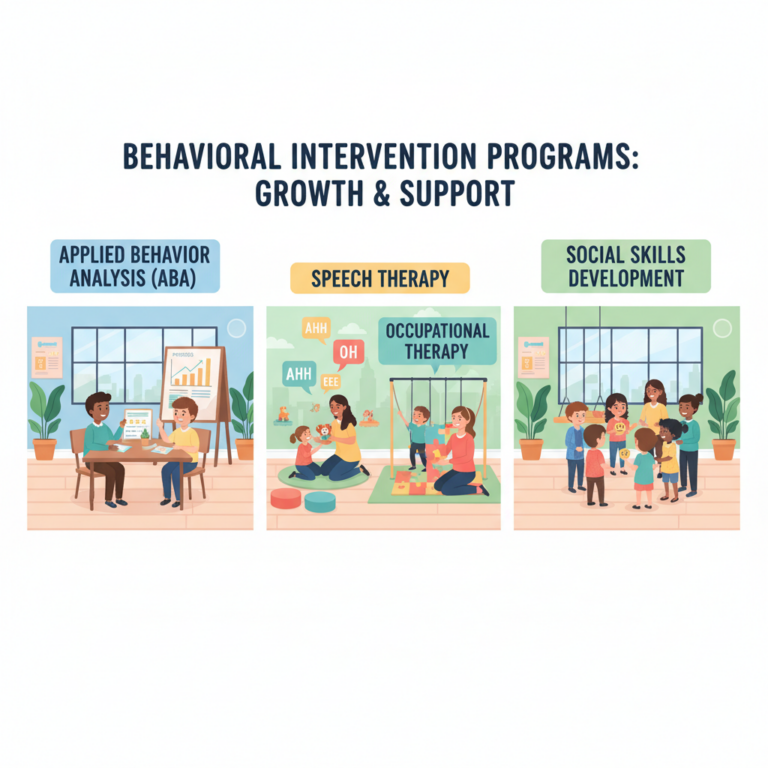
Recreation and social programming are not “extras” for autistic teens and adults. They are core supports that build life skills, confidence, and real-world readiness. When you focus on autism recreation and social programs that are thoughtfully designed, you give yourself or your loved one safe places to practice independence, friendship, and community engagement.
This guide walks you through what these programs offer, how they connect to life skills and transition planning, and practical steps to find autism-friendly options near you.
Why recreation and social programs matter
Autism recreation and social programs do much more than fill free time. They create structured, low-pressure environments where you can:
- Practice communication and social interaction
- Build physical fitness and coordination
- Explore interests that may become hobbies, community roles, or even jobs
- Increase self-confidence and independence
Research highlights how powerful this can be. Recreation and leisure activities give autistic people chances to practice social skills, motor skills, and motivation, which often leads to improved self-confidence and transferable abilities that support school and work success [1].
Recreational therapy and structured programs can:
- Improve emotional regulation and stress management
- Reduce anxiety and depression
- Build general skills that carry over into the classroom, workplace, and community [1]
If you are planning ahead for autism transition to adulthood, these programs can be a key part of your support network.
Types of autism recreation and social programs
You will find many different formats when you look for autism recreation and social programs. Understanding the main categories helps you match options to your goals and needs.
Social skills and community groups
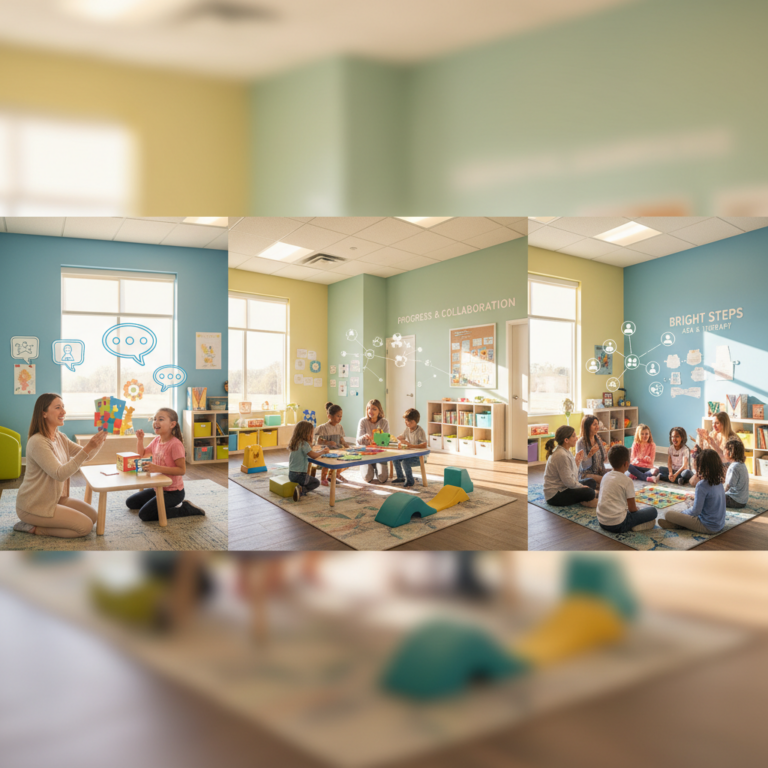
Social skills and community-based groups focus on communication, perspective taking, and relationship building in a structured, supportive environment. They may be run by clinicians, community organizations, or autism agencies.
Examples include:
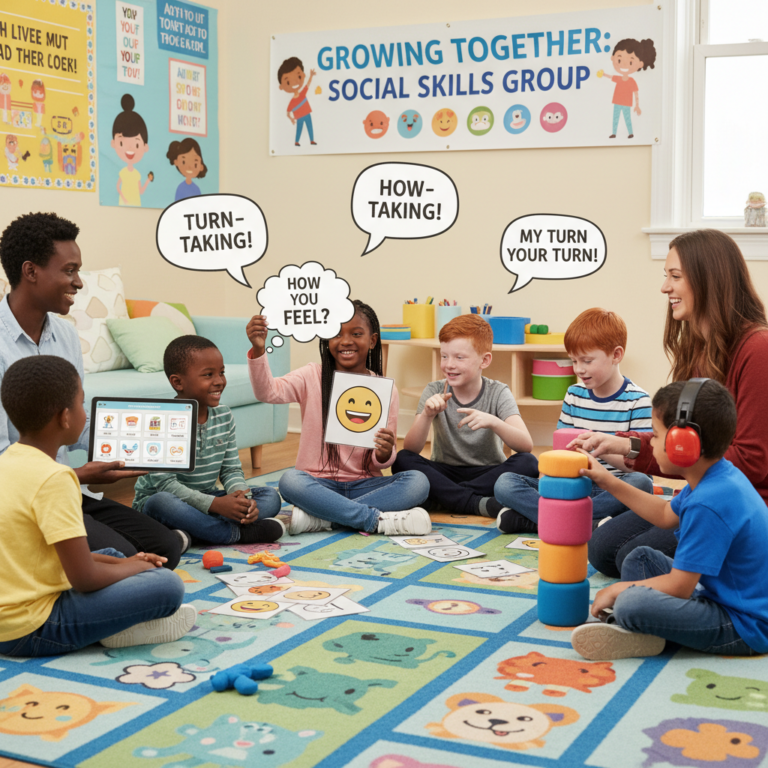
- Social skills groups using curricula like PEERS, role playing games, and visual supports such as emotion cards to build communication and emotional understanding [2]
- Support and social groups offered by organizations like the Association for Autism and Neurodiversity (AANE), which hosts support groups for autistic teens and online social events and clubs for autistic adults, often via Zoom [3]
- Programs like The Autism Project (TAP), which provides social skills groups led by speech language pathologists and occupational therapists for autistic individuals from age 5 through young adulthood [3]
If you are specifically looking to strengthen social functioning in teen years, you may want to combine these with adolescent autism support services or behavioral support for teens with autism.
Therapeutic recreation programs
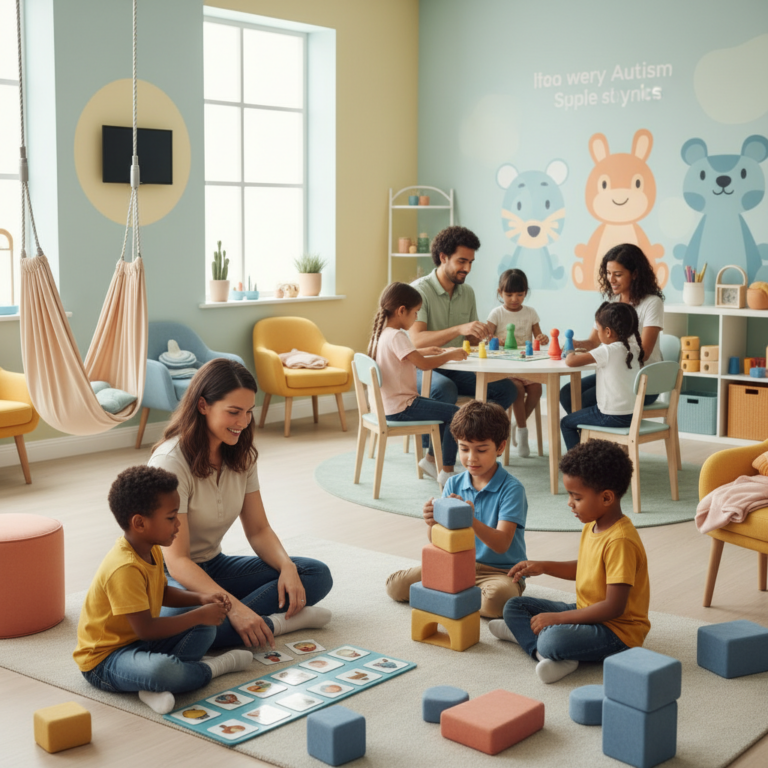
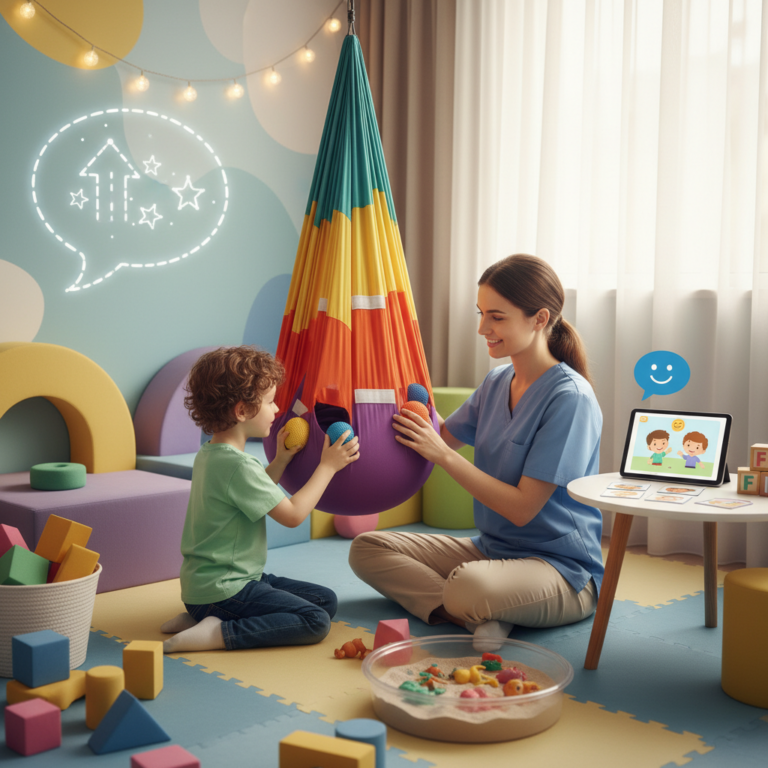
Recreation therapists or therapeutic recreation specialists use structured activities to target functional, emotional, and social goals. These can be center based, community based, or part of a clinic or hospital system.
They may include:
- Arts and crafts, music, dance, drama, and games
- Animal assisted activities like equine therapy or therapy dogs
- Community outings and volunteer projects
Recreation therapists intentionally use these activities to improve physical, mental, and emotional well being, reduce depression, stress, and anxiety, and build social skills and independence for autistic individuals and others with disabilities [1].
Recreational therapy has also been shown to:
- Enhance social interaction and socially appropriate behaviors
- Foster friendships and support networks
- Boost self confidence and independence through mastery of new skills such as swimming, art, and sports [2]
These programs pair well with autism life skills training because they offer a motivating way to practice those skills in real time.
Physical activity and sports programs
Many autism recreation programs center on movement and fitness. A meta analysis of 29 studies involving over 1,000 autistic youth found that physical activity programs produced moderate to large benefits in:
- Motor skills
- Skill related fitness
- Social functioning
- Muscular strength and endurance [4]
Common autism friendly physical activities include:
- Swimming and aquatic therapy, which support sensory integration, relaxation, and water safety
- Horseback riding and therapeutic riding, which improve balance, coordination, posture, and confidence
- Bowling, table tennis, biking, and other low pressure sports that support coordination and social skill development [5]
Inclusive sports programs that offer adaptive sports or therapeutic riding opportunities foster participation, teamwork, and community connection, which in turn supports emotional growth and self esteem [5].
Sensory friendly events and community access
Some of the most powerful autism recreation and social programs simply make typical community activities more accessible. These may include:
- Sensory friendly movie nights with adjusted lighting and volume
- Museums that offer sensory breaks or quiet rooms
- Quiet dining options or reserved times at restaurants and attractions
- Autism friendly sessions at amusement parks with sensory guides, fast passes, quiet rooms, and staff training [5]
These efforts reduce sensory overload and social stress so you can participate more fully in community life. Programs like these are an important complement to more formal community integration autism services.
Virtual and hybrid recreation options
If transportation, health, or anxiety create barriers, virtual programs can provide a bridge to connection. Organizations highlighted by Autism Speaks offer:
- Online social groups and mental health support meetings
- Virtual and on demand fitness and recreation classes for people of all abilities, such as those provided by Spirit Club [3]
These can be a good entry point if you want to build comfort and skills before joining in person programs.
How recreation supports life skills and transition
Autism recreation and social programs are especially valuable when you connect them directly to your life skills and transition goals. Think of them as a practical classroom where you can try out skills from your autism daily living skills program or autism executive functioning training.
Building daily living and independence
Recreation settings offer natural opportunities to practice:
- Planning and time management, such as getting ready, arriving on time, and following a schedule
- Money skills, such as buying a snack after a practice or paying for a ticket
- Self advocacy, such as asking for accommodations, clarifying instructions, or requesting a sensory break
Over time, these repeated experiences can support broader autism independent living skills and prepare you for autism independent living programs.
Strengthening social maturity and communication
Consistent participation in social and recreational programming helps you gradually build:
- Conversation skills and small talk
- Understanding of social boundaries and group norms
- Confidence in making and maintaining friendships
Structured programs that focus on social competence, like PEERS groups, role playing games, and guided practice with emotion recognition, have been shown to improve social skills and reduce anxiety about social interactions [2].
If you are focusing on more advanced goals, you might connect these experiences with adult social skills autism training or autism social maturity training to target specific communication challenges.
Connecting to school, work, and vocational skills
Recreation programs can also support vocational and transition outcomes. Participation in leisure programs helps autistic individuals build general skills that transfer to school and work, such as:
- Following complex directions
- Working with others
- Managing frustration and problem solving [1]
For example, volunteering at a community garden or helping with set up at a recreational event can build work habits that connect directly to an autism vocational training program or job skills autism training.
If you are planning ahead for high school completion and beyond, including these programs in your transition planning autism process or autism high school transition services can provide real life practice that complements classroom based transition services.
When you treat recreation as part of your transition plan, you turn hobbies and interests into real opportunities for independence, community belonging, and future employment.
Features of autism friendly recreation programs
Not every program that welcomes autistic participants has the same level of support. When you evaluate autism recreation and social programs, look for specific features that promote safety, learning, and long term engagement.
Structured yet flexible design
Effective programs usually offer:
- Clear routines and predictable schedules
- Visual supports such as schedules, icons, or written steps
- Simple, consistent instructions
Autism friendly physical activity programs commonly include visual supports, routine based schedules, and clear instructions to encourage participation and social interaction [4]. Yet within that structure, staff should be able to adjust activities and expectations based on energy levels, sensory needs, and individual preferences.
Intentional skill building
Look for programs where staff can clearly explain:
- What skills you will be practicing
- How they will teach and reinforce those skills
- How progress will be measured or observed
For example, a group might use step by step teaching for leisure skills, especially for participants who need explicit instruction to feel confident joining clubs or teams. Technology like Wii or similar systems can sometimes provide a bridge between video games and real world activities, helping build motivation and familiarity [1].
Trained and supportive staff
Ask potential programs about:
- Staff training in autism and other developmental differences
- Ratios of staff to participants
- Experience with behavior support and sensory needs
Recreation therapists, adaptive sports coaches, and trained volunteers can help tailor activities, communicate expectations, and respond calmly when participants are stressed. This is especially important if you are also receiving adult autism services or more intensive clinical supports.
Safety, inclusion, and cultural responsiveness
High quality programs consider safety broadly, including:
- Physical safety protocols, especially around water or animals
- Addressing wandering or elopement risks
- Proactive planning for sensory overload and meltdown support
National efforts like the Autism Society’s Water and Wandering Program work to increase water safety education and training for autistic individuals and families to prevent wandering related tragedies [6]. Initiatives like the It Takes Two campaign further focus on reducing drowning incidents among individuals with autism and other developmental disabilities [6].
In addition, many communities are building culturally specific social and recreation supports, such as:
- Latino focused groups like Grupo SALTO and Johns Hopkins Autism Support Group for Latina parents
- Organizations like Autism in Black and the Asian Americans with Disabilities Initiative (AADI) that reflect specific cultural experiences [3]
If culture, language, or community context are important for you, ask prospective programs how they address these needs.
Finding autism recreation and social programs near you
Locating the right options can take time, but several national and local resources can help you narrow your search and understand what is available.
National organizations and directories
You can start by exploring:
- Autism Speaks Autism Response Team (ART), which helps connect people with autism and their families to personalized information, tools, and resources about recreation and social programs. More than 20 percent of ART inquiries involve requests for community support, including recreation and parent groups [3]
- The Autism Society of America and its approximately 70 affiliates, which serve over half a million people annually with education, advocacy, support, and community programming [6]
- Local chapters or partners that run social, recreation, and safety programs such as Safety on the Spectrum, which trains first responders about autism using a train the trainer model [6]
These organizations can often point you to specific community based activities in your area, including support groups, rec leagues, clubs, and day programs.
Schools, IEP teams, and transition specialists
If you are in high school or a transition program, your Individualized Education Plan (IEP) can and should include goals related to recreation and physical activity. Autism Speaks recommends that parents and educators:
- Model active lifestyles
- Engage physical education staff to set physical activity goals in IEPs
- Seek autism friendly opportunities in the community [4]
You can work with your IEP or transition team to align recreation programs with autism transition services after school or broader life planning autism services.
Community centers, parks, and YMCAs
Many general recreation providers are building autism friendly offerings, such as:
- Adaptive sports teams and inclusive leagues
- Quiet swim times or swim lessons with trained staff, as recommended by Aim Higher ABA for autism friendly swimming programs [7]
- Sensory friendly hours at gyms or play centers
When you contact a program, ask specifically about their experience with autism, what supports they offer, and whether trial visits or gradual onboarding are possible.
Seasonal and outdoor activities
Summer and seasonal programs can be especially rich opportunities to combine recreation with life skills and transition practice. Aim Higher ABA highlights options such as:
- Nature walks, outdoor art sessions, and picnics
- Farm visits, gardening, and camping
- Autism friendly beach days planned during off peak hours and at locations with quiet zones and accessible facilities
- Amusement parks that offer sensory guides, quiet rooms, and fast passes [7]
Gardening in particular can provide sensory stimulation, physical activity, and a sense of accomplishment, while also teaching responsibility and routine [7].
Paying for recreation and social programs
Cost can be a significant barrier. Before you rule out a program, explore potential funding options and supports that can offset expenses.
Grants and financial assistance
Several organizations provide direct assistance to families of autistic individuals for recreation and related services. Examples include:
- Autism Care Today’s Quarterly Assistance Program, which pays service providers directly for interventions like social skills groups, special needs camps, ABA, speech and occupational therapy, and assistive technology [8]
- Music Movement, a nonprofit that funds music therapy, instruments, and camps for autistic individuals and those with learning differences, enhancing recreational and social engagement [8]
- The Varghese Summersett PLLC Annual Scholarships, which support autistic children under 16 with educational or recreational opportunities like camps and tutoring [8]
- The My Gym Foundation, offering grants up to 500 dollars for children with physical, cognitive, or developmental disabilities or chronic illnesses to support participation in My Gym classes, therapy, and sensory items [8]
- Coast Guard Mutual Assistance Special Needs Grants, which can cover specialized activities, adaptive equipment, assistive technology, and respite care [8]
Even if you do not qualify for these specific programs, they indicate the types of assistance that may exist in your region.
Insurance, waivers, and program discounts
Depending on your state and coverage, certain therapeutic recreation services may be:
- Covered under Medicaid waivers or state disability funding
- Partially reimbursed through private insurance when delivered by licensed therapists
- Discounted through sliding scale fees, scholarships, or membership subsidies
You may want to bring any recreation and social plans to your autism lifetime support programs coordinator or case manager to explore whether funding or coordination is possible.
Integrating recreation into your long term plan
As you move through adolescence into adulthood, autism recreation and social programs can become an intentional part of your broader plan for life skills, independence, and community belonging.
You can think about integration at three levels:
-
Immediate goals
What skills or experiences do you want to gain in the next 6 to 12 months, such as joining a social group, learning to swim, or attending sensory friendly community events? -
Transition milestones
How can recreation support your move from school to work or further education, complement autism transition planning, and align with autism independent living programs or autism transition to adulthood services? -
Long term lifestyle
What types of leisure activities and social communities do you want as an adult, and how can current programs help you build toward that vision along with autism life skills training and community integration autism supports?
When you view recreation and social activities as essential components of your support system rather than extras, you give yourself more pathways to growth, autonomy, and satisfaction throughout your life.
By combining structured autism recreation and social programs with targeted life skills, vocational training, and thoughtful transition planning, you can create a well rounded framework that supports not just daily functioning, but meaningful participation in the community and a life built around your strengths and interests.